MIRA-science/linkedopendata-at
Contribute to MIRA-science/linkedopendata-at development by creating an account on GitHub.
MIRA 2026 - Modular Interoperable Research Attribution
Catalyzing Modular Interoperable Research Attribution - A workshop to design and prototype interoperable frameworks for modular research attribution. June 7-11, 2026 in Ireland.
MIRA 2026 - Modular Interoperable Research Attribution
Catalyzing Modular Interoperable Research Attribution - A workshop to design and prototype interoperable frameworks for modular research attribution. June 7-11, 2026 in Ireland.
MIRA — the structure layer for a shared research graph
Research ships as a sealed document. MIRAfying it makes a graph of signed, citable records anchored on the actual data artifacts — so analyses compound without flattening the nuance.
MIRA-science/linkedopendata-at
Contribute to MIRA-science/linkedopendata-at development by creating an account on GitHub.
Collection

Updated 7d
Content relevant to MIRA (Modular Interoperable Research Attribution - mira.science)
MIRA workshop
Content shared during MIRA workshop (mira.science , June 7-11)
Modular research

Modular research
participatory research
📚 MIRA Book Club
mira.science community reading recommendations
Networked Research Labs
IOSP 2026

Shared reading list for conference participants. Drop your favorite references or cool links that come up in chats. Add any Semble collections you create during the ATScience workshop.
Community Labs
Why Modular Research
Content relating to how modular research addresses issues in traditional science
re-commoning science
AI mediated science
reimagining science
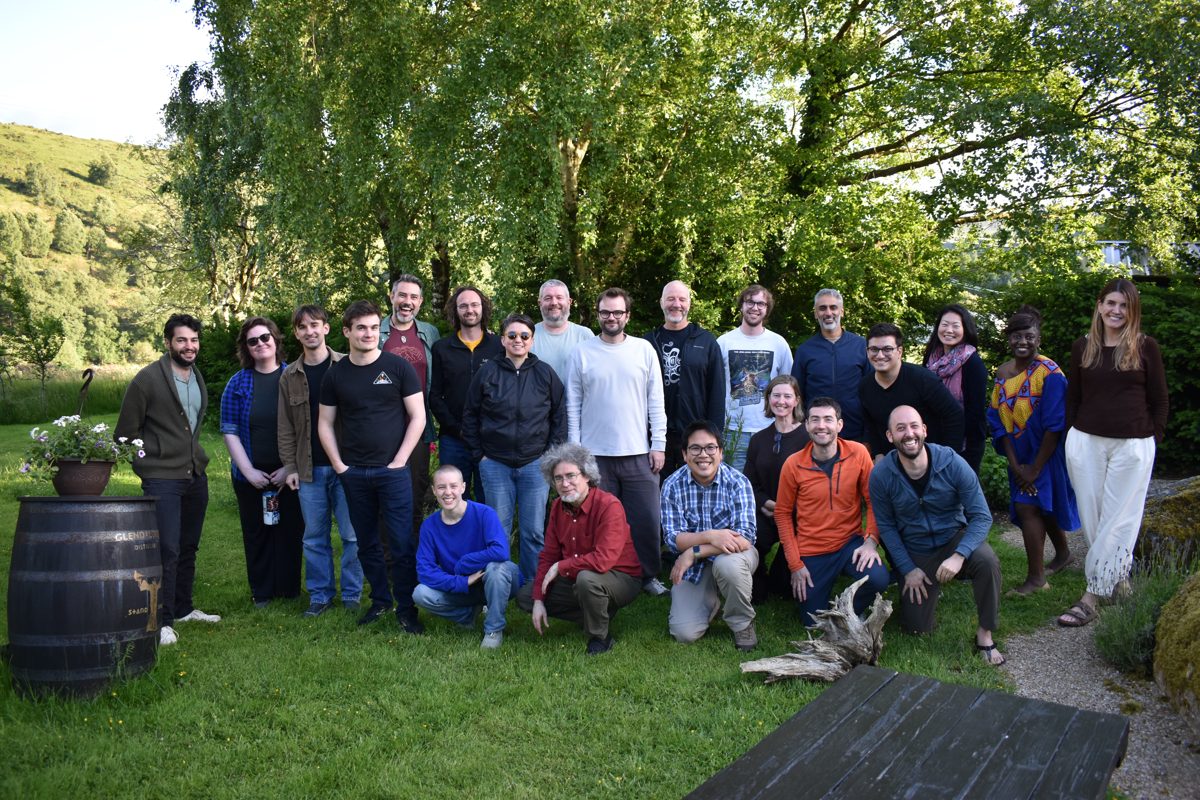
What we built at the MIRA Kickoff
📚 MIRA Book Club (by Ronen Tamari) — Semble

Researchfish | Illuminate your research impact | Elsevier

Technology is Society Made Durable

Bycelium
Content Authenticity Initiative
The Trace and the Artifact | shishyko!

Curvenote® (@curvenote.com)
The new way we’ll do science
Zotero - InPeeR Ethi-quette (by Jay Patel) — Semble

Science: A New Golden Age
Plan S
The new way we’ll do science
Why we’re expanding the openRxiv Labs Curvenote Reader experiment
Curvenote Reader brings a better reading experience to half a million openRxiv preprints
Launching openRxiv Labs - openRxiv
Universal Scientific Protocols, Inc.

The Micro-Paper: Towards cheaper, citable research ideas and conversations
Improving scientific mentorship with "Open Labs" — science better
Federating friendly spaces - Roomy
modular research multi-agent slack-like environment demo
Buzz! 🐝
Genspace
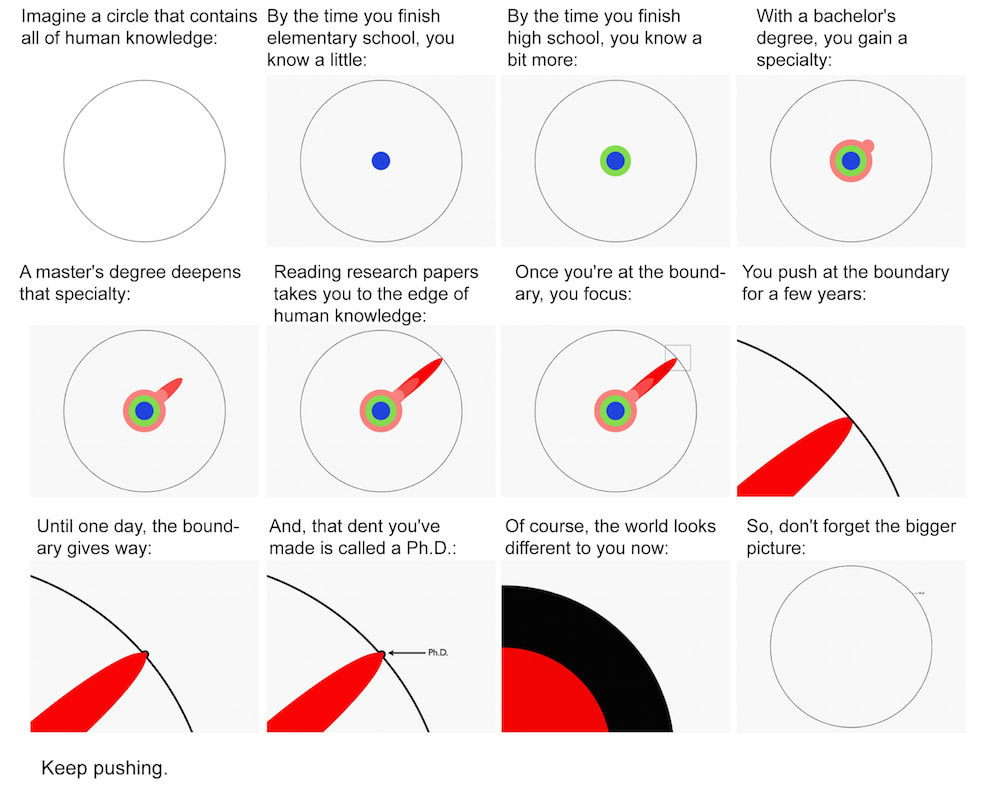
On open-science research labs on discord, and getting more people.
Genspace
Hyperproblems: New Ways of Doing and Communicating Science - Hyperproblems
Nathan Skene on Twitter / X
ScienceIDE: Turning World's Scientific Codebase into Agent Learnable Environments
Where does the rigor go? Research software and the future of trustworthy science.
Is the scientific paper still a fraud?

I have a friend who replicates every study he wants to follow up on before starting his follow up, just to make sure he's not chasing phanto…

Profit, cost, price, learned societies; further thoughts on Samuel A. Moore's Publishing Beyond the Market

Publishing Beyond the Market: Open Access, Care, and the Commons
Authorship, division of labour, material and digital form; thoughts on Samuel A. Moore's Publishing Beyond the Market
Bioregionalism, Commoning, and Relationalized Finance | David Bollier
Reclaiming the Computing Commons
The Drain of Scientific Publishing
MIRA-science/linkedopendata-at
Reclaiming Data Autonomy as a Peasant
Reclaiming Data Autonomy as a Peasant
The 34th International Symposium on Graph Drawing and Network Visualization
Metaudits
LaborTrail — The Trail of Your Blood on Circuits - a Hugging Face Space by sage-lollipop

The Ground Truth Institute
How Infrastructure Works: Transforming our shared systems for a changing world
ci.acm.org
Grand Challenges for the Convergence of Computational and Citizen Science Research Workshop Report
From Access to Participation: Opening the Evaluation of Knowledge

An epistemology for democratic citizen science

Cool example of participatory research from The Long Haul. Different from many citizen science projects where scientists bring the questions…
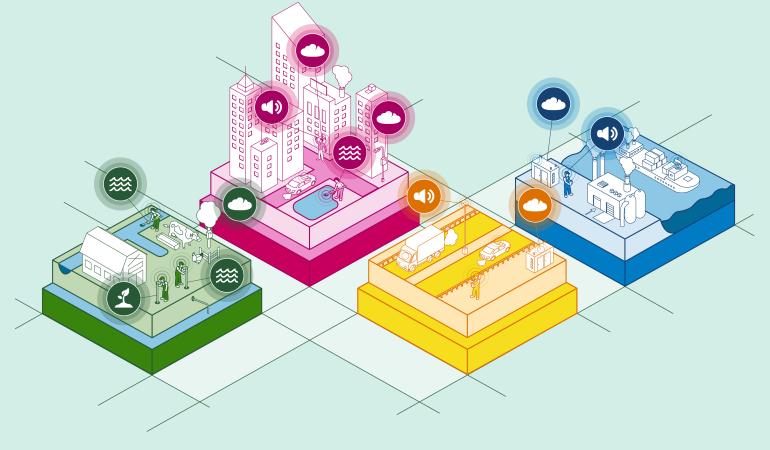
How can citizen science reduce psychological distance to science? Insights from three projects in contested environmental contexts
Claude Science (beta)
Lacuna: A Research Map for Machine Learning

Agentic Laboratories of the Future: Towards World Models for Scientific Discovery
Early science acceleration experiments with GPT-5
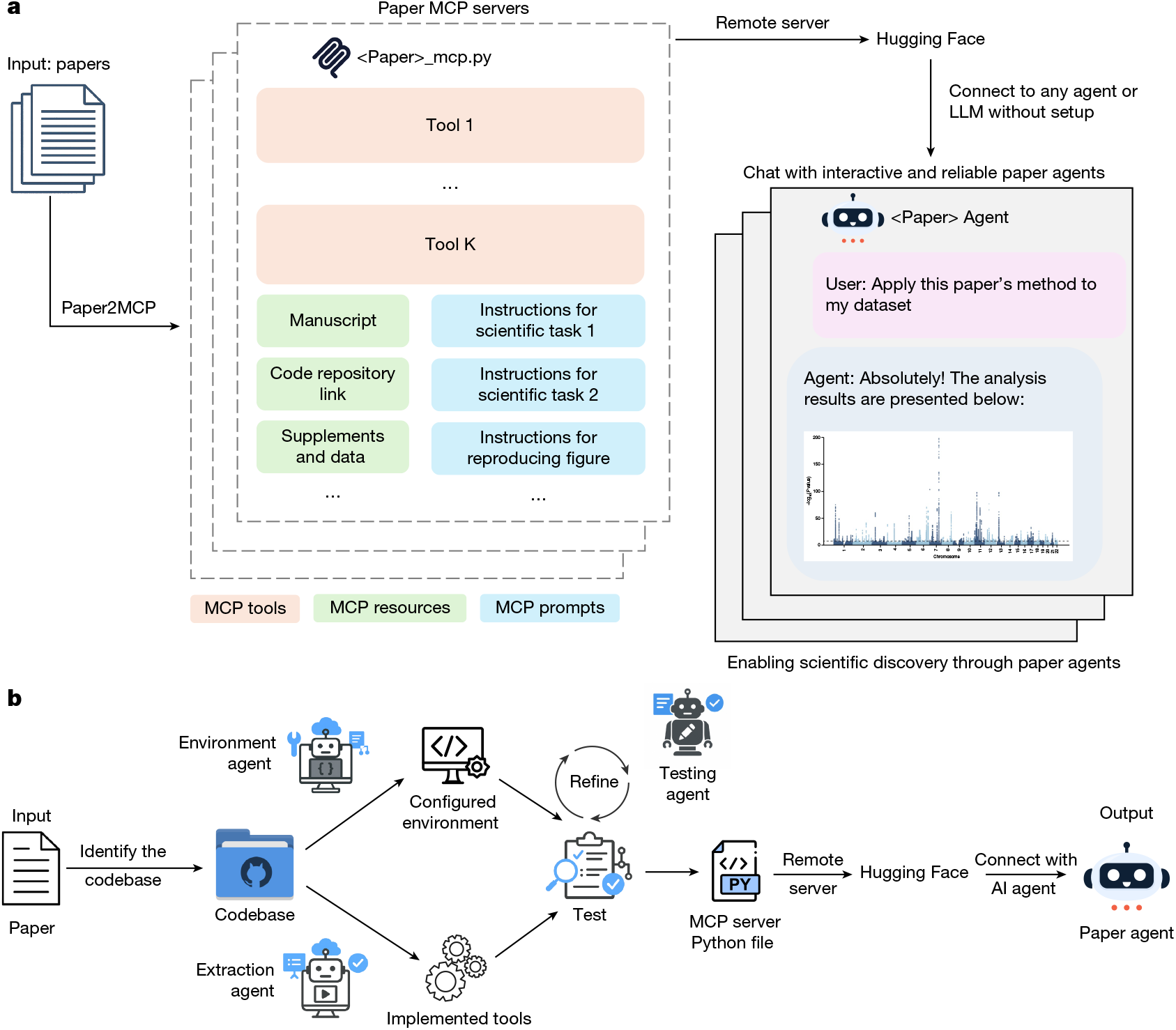
Reimagining research papers as interactive and reliable AI agents
The Alien Space of Science: Sampling Coherent but Cognitively...

The release of #ClaudeDesign left me wondering what a tool like this could look like for academics (rather than designers) I then used Claud…

What if paper reading and reviewing was interactive and visual? Tools today assume a very passive way of engaging with a paper: you open a…