A protocol for attributable modular research contribution - Matsuthoughts
I wrote this essay in response to Seemay Chou's call for essays on systemic bottlenecks to science. Structural change in scholarly communication practices i…
A protocol for attributable modular research contribution - Matsuthoughts
I wrote this essay in response to Seemay Chou's call for essays on systemic bottlenecks to science. Structural change in scholarly communication practices i…
Towards Modular Open Science
Science is trapped in a paper-shaped box. In this talk at the ATProto community, Rowan Cockett introduces the structural states of scientific components — the floor, the buckets, and the shelf — and makes the case for a second wave of modular science where modularity emerges from packaging rather than being imposed as a precondition. The talk introduces the Open Exchange Architecture (OXA), a new standard for modular and composable scientific content.
MIRA 2026 - Modular Interoperable Research Attribution
Catalyzing Modular Interoperable Research Attribution - A workshop to design and prototype interoperable frameworks for modular research attribution. June 7-11, 2026 in Ireland.
MIRA 2026 - Modular Interoperable Research Attribution
Catalyzing Modular Interoperable Research Attribution - A workshop to design and prototype interoperable frameworks for modular research attribution. June 7-11, 2026 in Ireland.
Great survey of the "scholarly interface design" frontier that also highlights the emerging role of the atproto.science and modular research ecosystems - @chive.pub @paperstarsorg.bsky.social @cosmik.network @semble.so @margin.at @discoursegraphs.bsky.social @curvenote.com and many more!

leotrs
1/ Scholarly publishing spent thirty years arguing about access. It has barely started arguing about what readers do with the paper once they have it. That second argument is turning into a field, forming around how science gets read and judged. Here is the map as I see it: aris.pub/blog/scholarly-interface-desi…
Collection

Updated 20d
Content relating to how modular research addresses issues in traditional science
MIRA
Content relevant to MIRA (Modular Interoperable Research Attribution - mira.science)
Modular research

Modular research
Research taste
participatory research
Networked Research Labs
Semble use for research

exploring ways Semble can be used for research
AI mediated science
reimagining science
re-commoning science
Science reform initiatives/proposals

TasteVal: Measuring the Experimental Research Taste of AI Systems Against Human Experts

Agentic Laboratories of the Future: Towards World Models for Scientific Discovery

Large language models eroding science understanding: an empirical study of ‘malignment’

Where’s the “intelligence explosion”?

as we get further into the end of days, I'm reminded about how much of research taste, values and judgment is bound up in the taste, values…
Chris Olah on Twitter / X
Claude Science (beta)
Lacuna: A Research Map for Machine Learning
Agentic Laboratories of the Future: Towards World Models for Scientific Discovery
Early science acceleration experiments with GPT-5
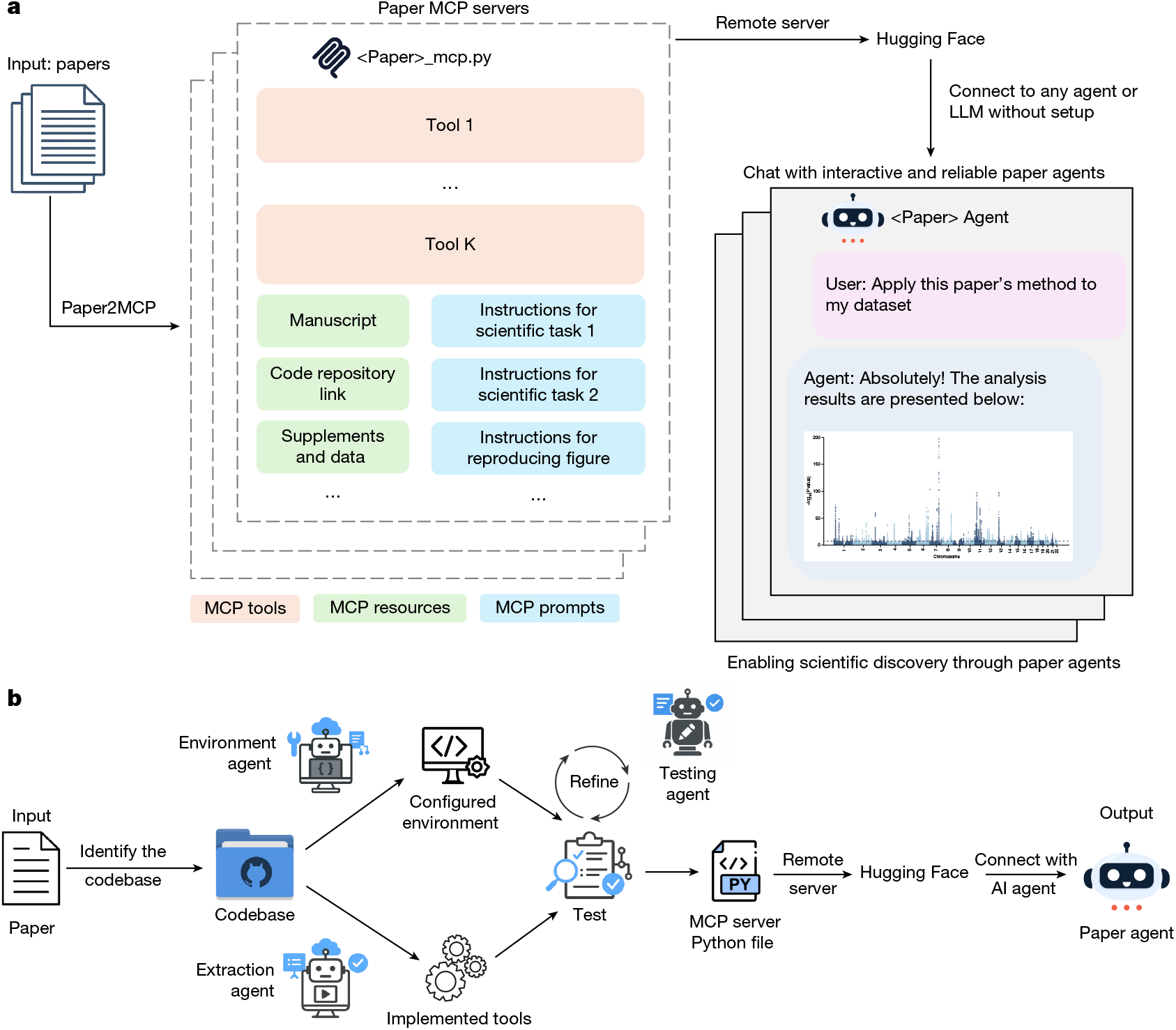
Reimagining research papers as interactive and reliable AI agents
The Alien Space of Science: Sampling Coherent but Cognitively...

Improving scientific mentorship with "Open Labs" — science better
Federating friendly spaces - Roomy
modular research multi-agent slack-like environment demo
Buzz! 🐝

Genspace
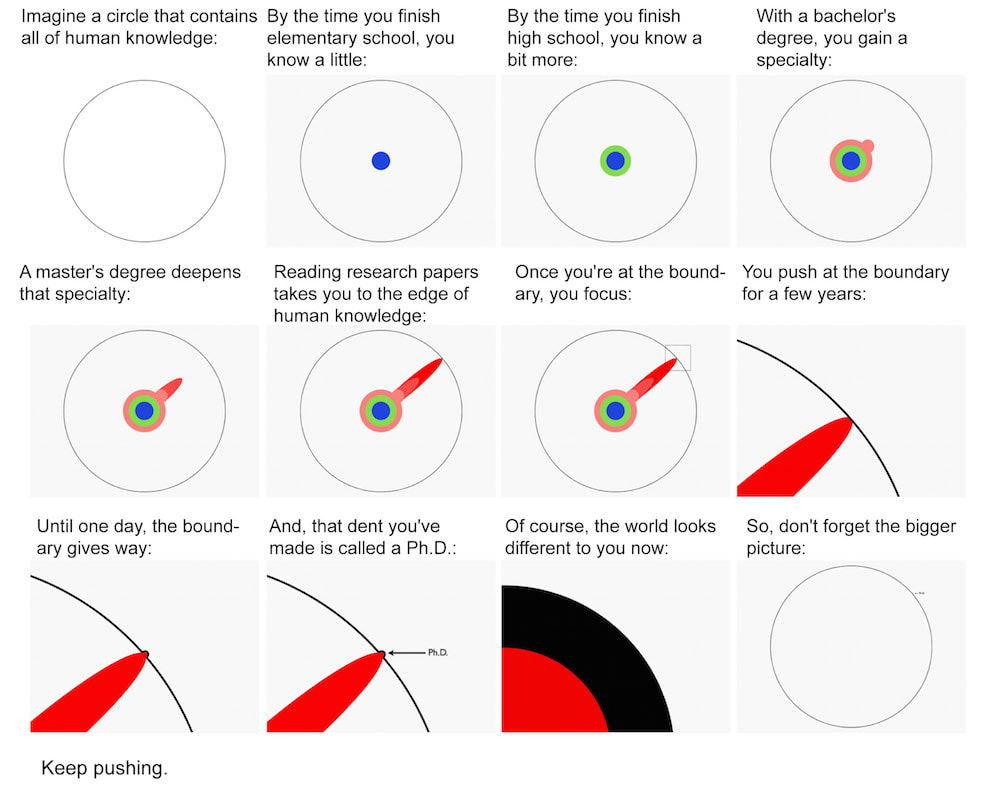
On open-science research labs on discord, and getting more people.

Convergence · Gathering open science · Montreal, June 16–18, 2027
Science Works on Twitter / X
Science, with agency. — UK Agentic Science Network
From Access to Participation: Opening the Evaluation of Knowledge
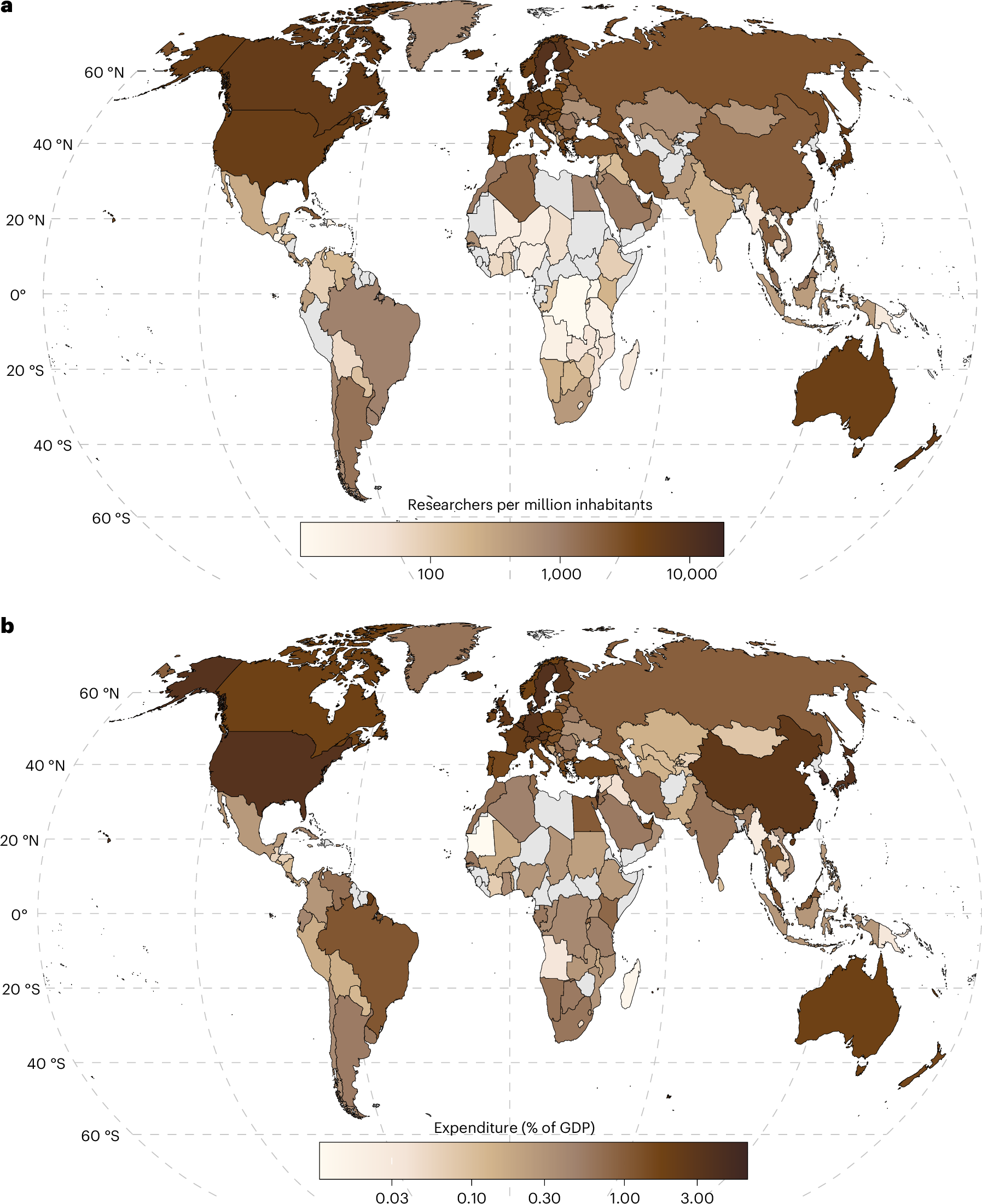
How contemporary academic structures constrain scientific creativity and hold back early-career researchers

The Robyn Dawes Institute for the Improvement of Science
IOSP 2026 (by ATProto Science) — Semble
MIRA — the structure layer for a shared research graph
Paperclip
Paperclip
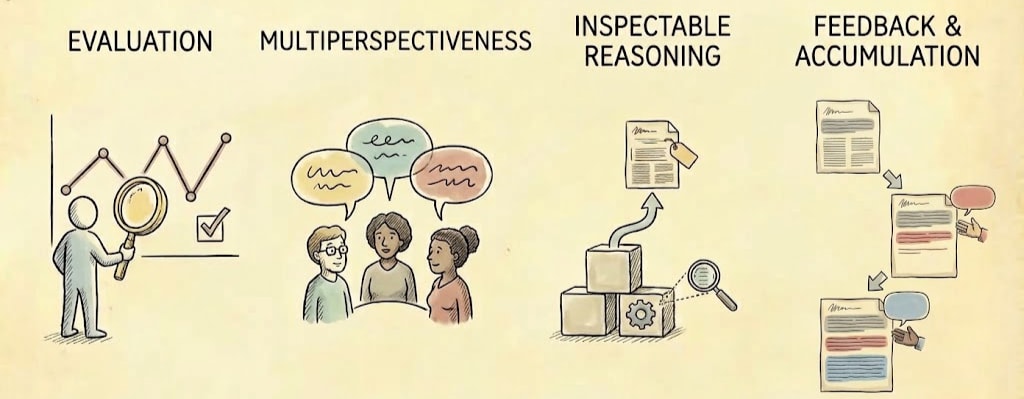
FLF’s Epistemic Case Study Competition: Results — LessWrong
Science Works on Twitter / X
ci.acm.org
Grand Challenges for the Convergence of Computational and Citizen Science Research Workshop Report
From Access to Participation: Opening the Evaluation of Knowledge

An epistemology for democratic citizen science

Cool example of participatory research from The Long Haul. Different from many citizen science projects where scientists bring the questions…
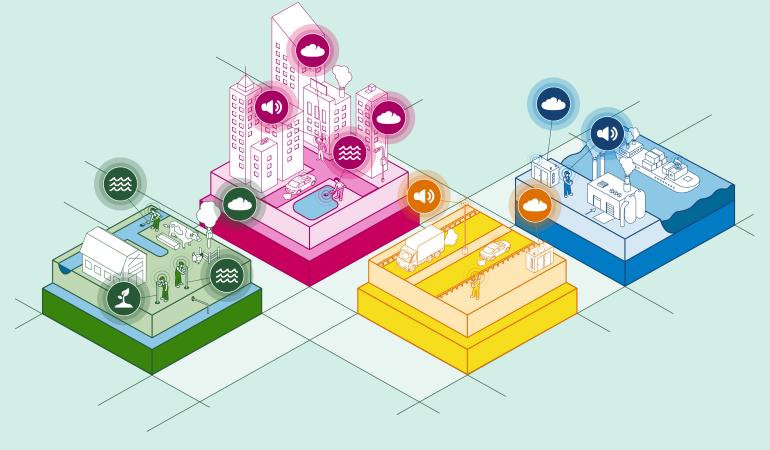
How can citizen science reduce psychological distance to science? Insights from three projects in contested environmental contexts
The new way we’ll do science
Why we’re expanding the openRxiv Labs Curvenote Reader experiment
Curvenote Reader brings a better reading experience to half a million openRxiv preprints

Launching openRxiv Labs - openRxiv
Universal Scientific Protocols, Inc.
The Micro-Paper: Towards cheaper, citable research ideas and conversations
Widget
Related work | Data Counterfactuals

I’ve got a @semble.so Collection of #AI tools I’ve come across specifically for academic research. Most of these Ive tried and found them…
borgr/ATProto-links-bot

I've been experimenting with a workflow for @semble.so. After I read an article, I send it to Johnson, my PA bot and ask it to use the Sembl…

Check out this thread and contribute your papers if you'd like to share!
The Trace and the Artifact | shishyko!

Curvenote® (@curvenote.com)
The new way we’ll do science
Zotero - InPeeR Ethi-quette (by Jay Patel) — Semble

Science: A New Golden Age
Plan S

The release of #ClaudeDesign left me wondering what a tool like this could look like for academics (rather than designers) I then used Claud…

What if paper reading and reviewing was interactive and visual? Tools today assume a very passive way of engaging with a paper: you open a…

Profit, cost, price, learned societies; further thoughts on Samuel A. Moore's Publishing Beyond the Market

Publishing Beyond the Market: Open Access, Care, and the Commons
Authorship, division of labour, material and digital form; thoughts on Samuel A. Moore's Publishing Beyond the Market
Bioregionalism, Commoning, and Relationalized Finance | David Bollier

Reclaiming the Computing Commons
The Drain of Scientific Publishing
